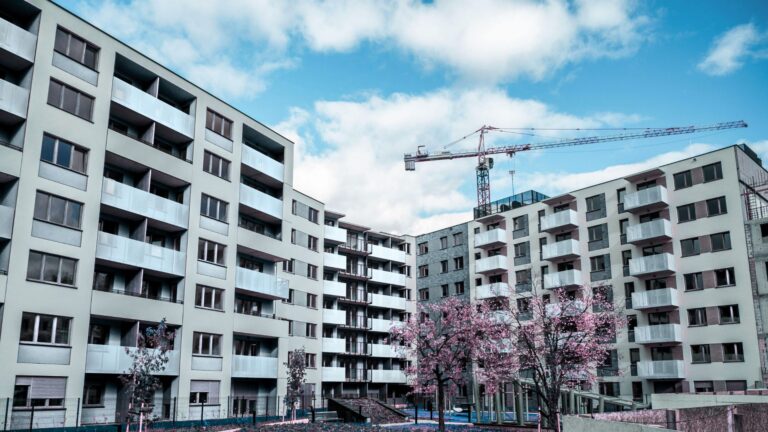


In multifamily real estate, value creation starts with underwriting and acquisition. It begins with how effectively a sponsor identifies, plans, and executes improvements that elevate both income and asset performance. These investments, commonly known as capital expenditures or CapEx, determine how properties evolve, how tenants perceive value, and how investors realize long-term returns in a value-add multifamily investment
Capital expenditures (CapEx) are the major long-term investments made to improve, modernize, and preserve a multifamily property’s performance and lifespan. Unlike routine operating expenses, which cover day-to-day upkeep, CapEx targets strategic improvements that enhance value and extend the asset’s useful life. These projects include big-ticket items such as roof replacements, HVAC systems, and energy-efficiency upgrades, as well as exterior renovations, amenity enhancements, and interior unit improvements like new flooring, appliances, cabinetry, and lighting. These improvements strengthen its competitive positioning, improve resident experience, and increase net operating income. When deployed with discipline and aligned with market demand, CapEx becomes one of the most controllable variables in multifamily value creation, producing a multiplier effect on both income and overall asset valuation.
When planned and executed strategically, CapEx initiatives materially shift an asset’s performance trajectory. Each targeted improvement, whether enhancing interiors, upgrading amenities, or boosting efficiency, directly influences rent potential, strengthens occupancy, and drives overall asset value. Understanding how to apply strategic CapEx in multifamily investing separates short-term operators from long-term wealth builders.
Why CapEx Matters More Than Ever
The role of capital expenditures in multifamily real estate has evolved alongside shifting market dynamics. In today’s environment, defined by higher interest rates, slower rent growth, and elevated operating costs, returns depend less on rapid appreciation and more on operational improvement. CapEx is one of the most reliable tools for driving that improvement.
Historically, many sponsors treated CapEx as a short-term lever. This strategy focused primarily on repositioning assets or preparing for a refinance event. Today, the calculus has shifted. Investors prioritize long-term durability, tenant experience, operational resilience, and sustainability, making CapEx a strategic tool for protecting value rather than just accelerating returns. According to CBRE’s Q2 2025 Multifamily Underwriting Survey, value-add multifamily assets are underwritten for higher rent growth than core assets over the next three years (3.3% vs 2.8% annually), reflecting investor expectations that strategic renovation and repositioning will modestly outperform stabilized properties. This reinforces the value of strategic CapEx in multifamily investing as a performance multiplier rather than a one-time expense.
The Evolution of CapEx Strategy
Capital improvements in multifamily properties have always been part of asset operations, but their strategic importance has expanded significantly. In the early 2000s, operators focused heavily on interior upgrades: granite countertops, stainless steel appliances, modern lighting, and new flooring. These successfully pushed rents higher and generated meaningful unit-level premiums.
Value-add multifamily investments rely on CapEx as the primary engine of transformation. In this strategy, sponsors acquire properties that are operationally sound but under-optimized, then execute targeted upgrades to reposition the asset within its competitive set. The focus is not on speculative appreciation, but on creating measurable increases in income through improved interiors, enhanced amenities, and more efficient operations. When executed correctly, value-add CapEx does more than boost rents. It elevates the property’s market perception, strengthens renewal intent, and improves the long-term durability of cash flow. This predictable, controllable pathway to NOI growth is what makes value-add multifamily one of the most proven and repeatable investment strategies in commercial real estate.
Today, leading sponsors still pursue these interior enhancements, but they’ve paired them with a far broader and more forward-looking approach. CapEx planning now prioritizes efficiency, long-term durability, and alignment with evolving renter expectations. Projects such as solar retrofits, smart thermostats, EV charging stations, water-saving technologies, and amenity modernizations have become central elements of a comprehensive value strategy.
This expanded view of CapEx creates multiple layers of value: lower operating expenses, stronger tenant retention, and improved ESG positioning, all of which contribute to more stable income and higher asset valuations. Together, these factors not only protect the investment but also translate directly into increased NOI over the hold period.
The Economics of Strategic CapEx
The financial case for well-executed CapEx is straightforward but powerful. Every dollar invested in targeted improvements should generate measurable ROI, whether through rent growth, expense savings, or cap rate compression.
For example, consider a 200-unit community where targeted upgrades raise average rents by $150 per unit per month. At 95% occupancy, that generates roughly $342,000 in additional annual revenue. At a 5.5% capitalization rate, this increase in NOI translates into more than $6 million in added asset value. In many cases, this value creation far exceeds the total renovation cost, delivering both immediate rent premiums and long-term appreciation that make the investment well worth it for sponsors and LPs alike.
This is the essence of strategic CapEx in multifamily investing: not just spending capital, but allocating it with precision to maximize yield.
The Three Pillars of Effective CapEx Planning
Executing capital improvements effectively requires structure, discipline, and foresight. Successful sponsors approach CapEx with three core principles.
1. Planning with Purpose
Each project must tie directly to a measurable financial or operational goal. That may include increasing market rents, reducing maintenance frequency, or improving energy efficiency. Pre-acquisition planning ensures that CapEx budgets align with both lender requirements and investor return expectations.
2. Executing Efficiently
Timing is critical. Coordinating renovations during unit turnover minimizes disruption and accelerates lease-up. The best operators use data to prioritize projects with the highest rent-return ratio, ensuring that every improvement contributes to NOI growth.
3. Tracking Performance
Performance tracking transforms CapEx from a cost center into a strategic engine. Monitoring post-renovation rent premiums, turnover rates, and maintenance requests allows sponsors to validate ROI and adjust future projects accordingly.
Together, these principles form the foundation of strategic CapEx in multifamily investing, converting renovation spending into measurable, repeatable value creation.
CapEx as a Competitive Advantage
Markets move in cycles, but strategic CapEx remains a durable source of competitive advantage. In expansionary periods, it accelerates absorption and fuels rent growth. In slower markets, it preserves occupancy, supports tenant retention, and stabilizes income when it matters most.
RealPage data show that renters continue to pay premiums for higher-quality, better-amenitized units, even as overall rent growth cools in many markets. In many value-add strategies, interior upgrades and operational improvements are designed to capture that incremental rent spread over classic units. These properties also maintain higher retention rates, which translates directly into lower turnover costs and steadier cash flow.
Sponsors who treat strategic CapEx in multifamily investing as an ongoing discipline rather than a one-time project consistently outperform their peers over the full hold period.
Sustainability and the Next Generation of CapEx
Environmental and efficiency-focused CapEx has shifted from optional to essential. The U.S. Department of Energy reports that multifamily properties implementing energy upgrades can reduce utility consumption by 15% to 30%. For investors, that translates into stronger NOI margins and improved long-term resilience.
Sustainability matters more than ever to today’s renters. Millennials and Gen Z actively choose properties that align with their environmental values. Adding green improvements to your CapEx strategy cuts expenses while making the property more attractive and valuable over the long term.
The Passive Investor’s Perspective
For passive investors, understanding CapEx execution is key to evaluating a sponsor’s operational strength. When reviewing opportunities, LPs should look beyond total renovation budgets and assess whether improvements are truly strategic: planned in phases, backed by market data, and aligned with value creation.
Sponsors who articulate a clear CapEx roadmap demonstrate more than operational competence; they signal alignment with investor outcomes. For LPs, that means confidence that capital is being deployed efficiently, with a direct path to increased cash flow and appreciation.
Viking Capital’s Approach to Strategic CapEx
At Viking Capital, we approach every value-add acquisition with a detailed CapEx roadmap that begins before closing. Each project is analyzed for its potential to drive rent growth, improve efficiency, and strengthen resident satisfaction.
Our philosophy centers on proactive management, measurable outcomes, and disciplined execution. Whether we are modernizing unit interiors, adding amenities, or improving sustainability, each initiative supports our broader goal to maximize investor returns through data-driven, strategic operations.
For us, strategic CapEx in multifamily investing is not a line item; it is an investment philosophy. By focusing on execution quality, cost control, and long-term value, Viking Capital ensures that every dollar invested works toward enhancing both property performance and investor wealth.
Opportunities to Learn More
👉 Explore current offerings
👉 Book a 15-minute strategy call
👉 Download our free Multifamily Terminology Guide